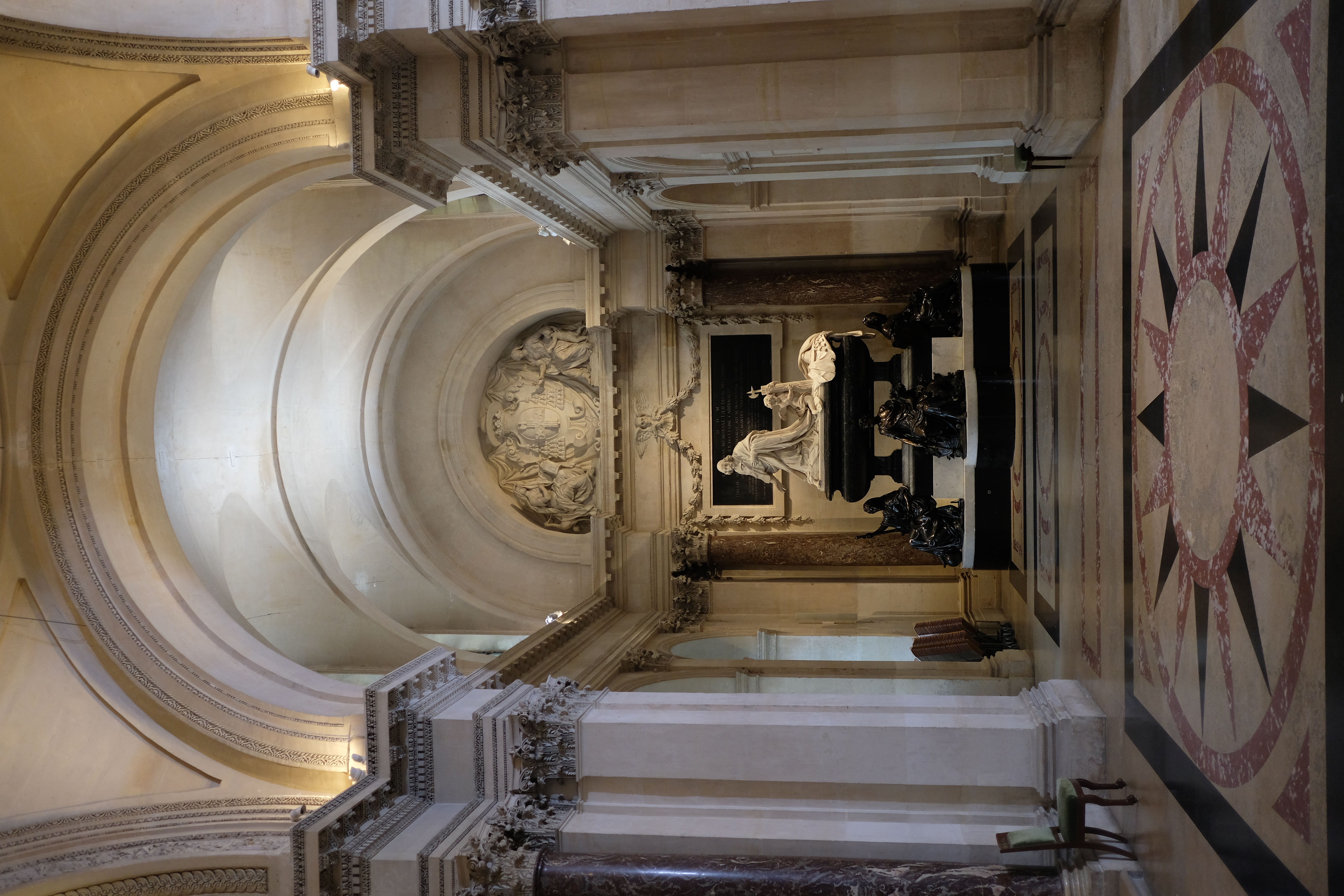
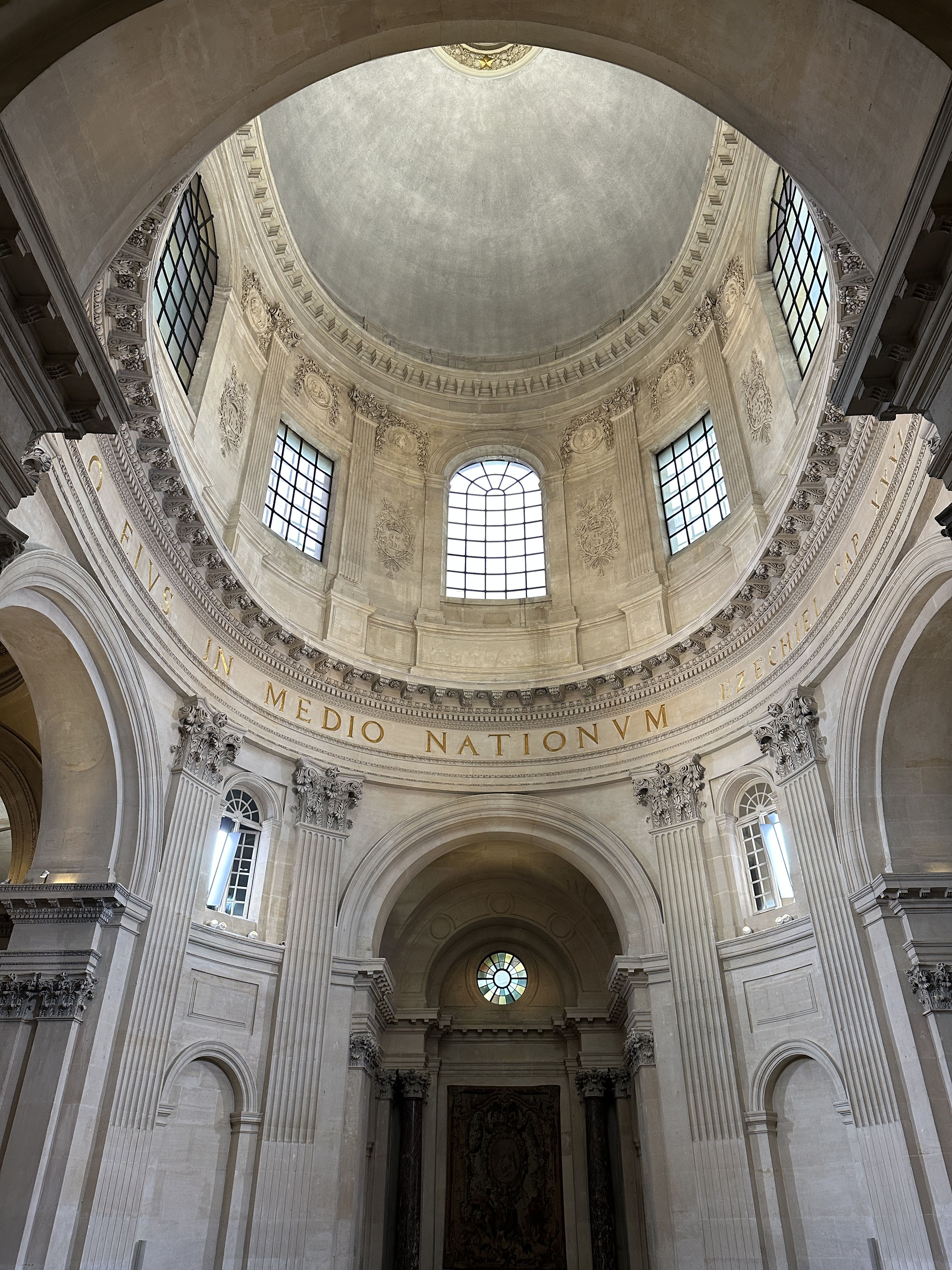
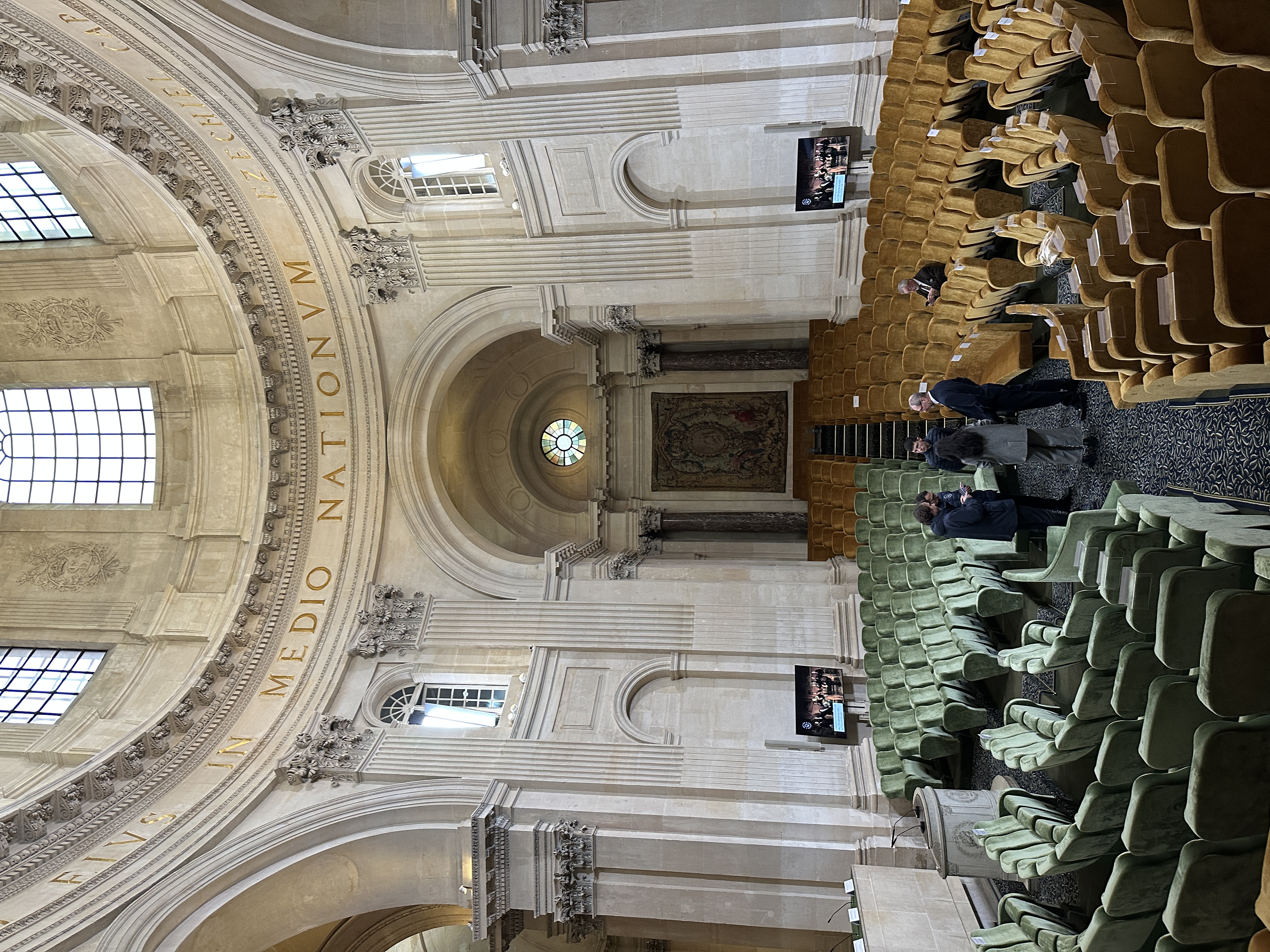
Commemoration held on 10 December 2024 under the dome of the Institut de France

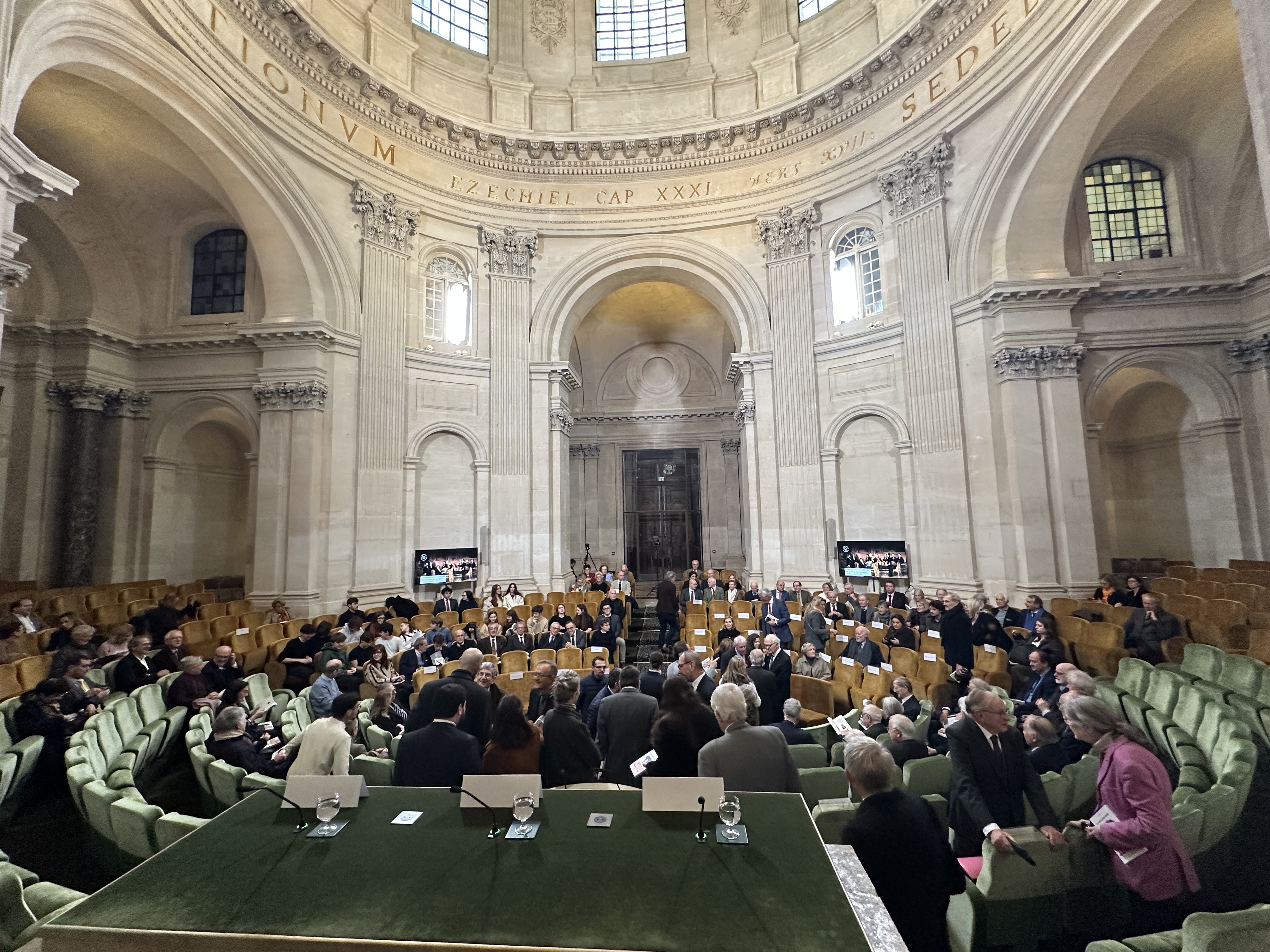
To mark the 150th anniversary of the death of François Guizot, Xavier Darcos, Jean-Claude Casanova, Jacques Verger, Aurelian Craiutu and Françoise Melonio have highlighted various aspects of the rich legacy of Guizot's work.
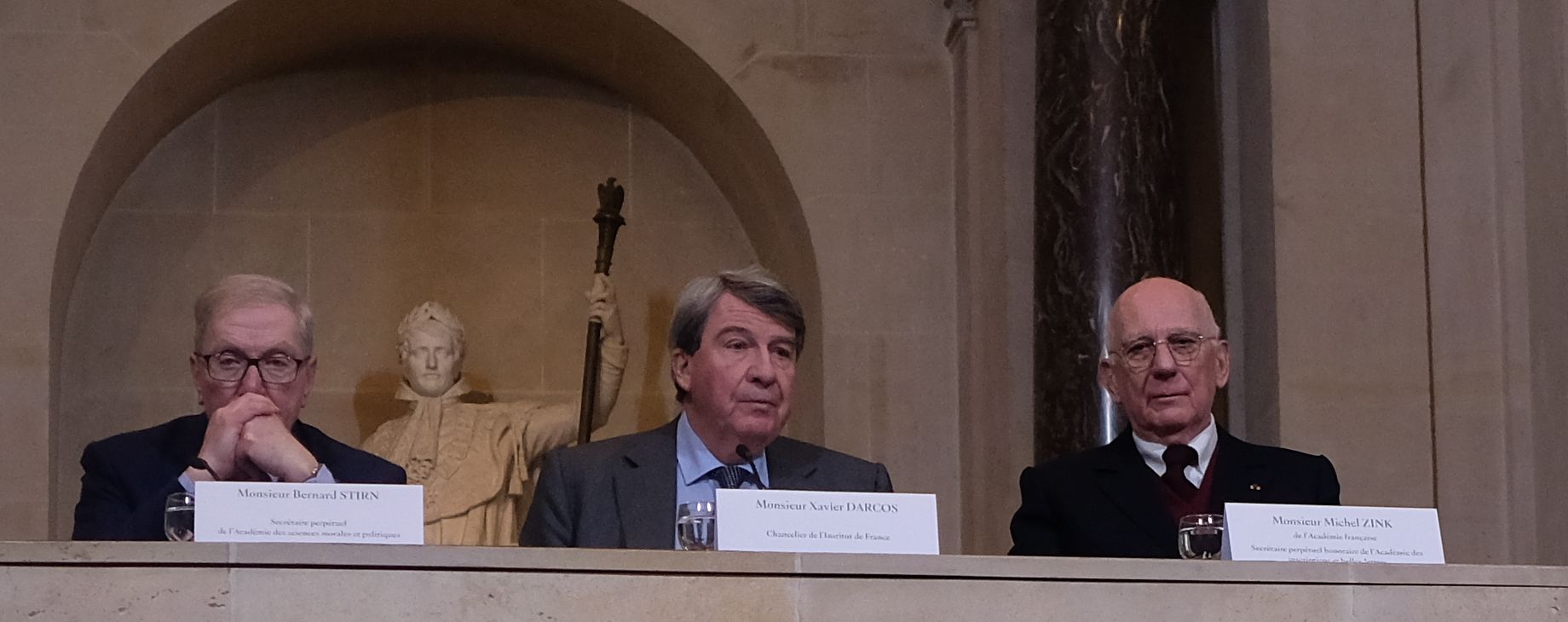
by Mr Xavier Darcos, Chancellor of the Institut de France.
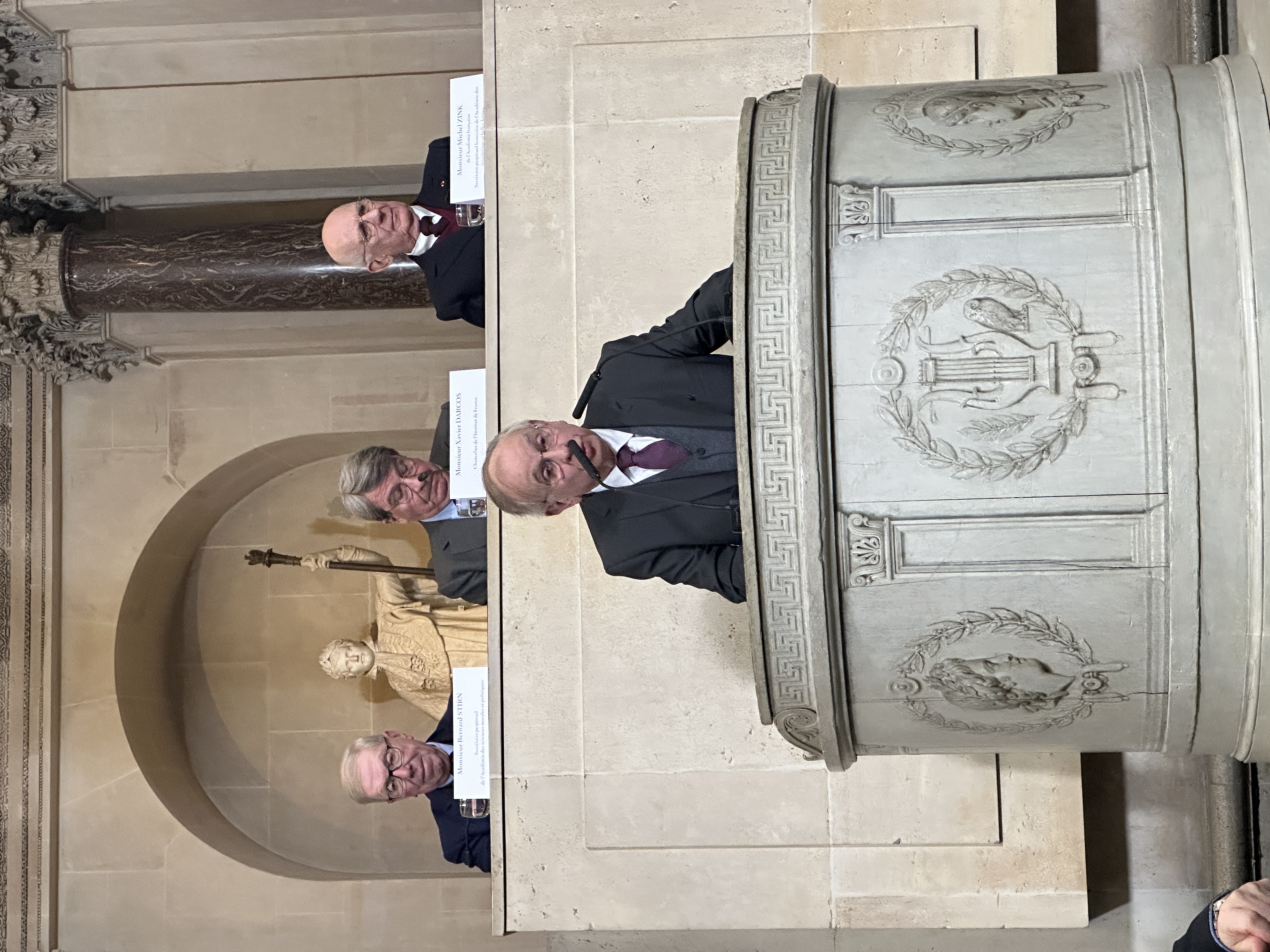
by Mr Jacques Verger, member of the Académie
des inscriptions et belles-lettres.
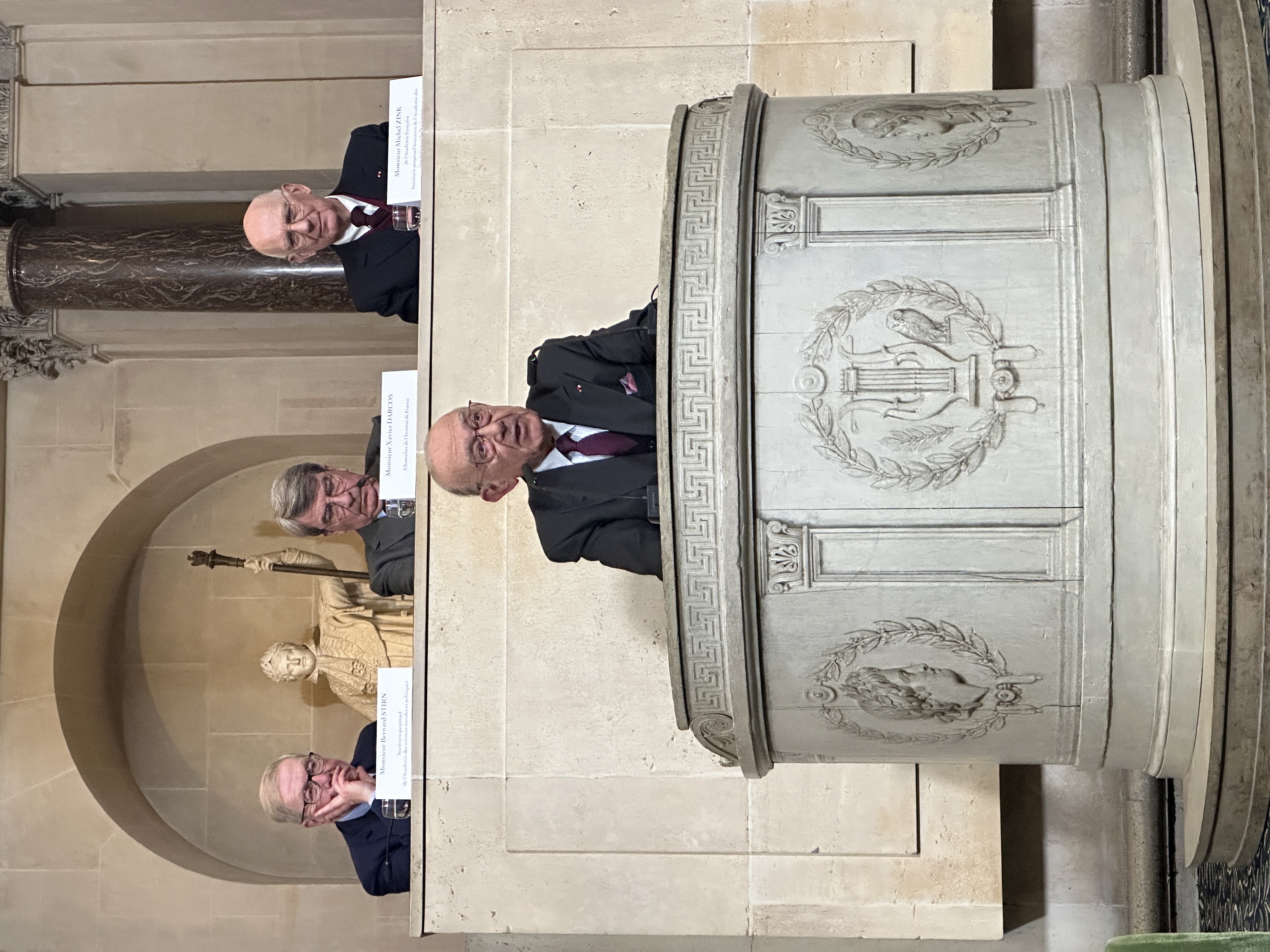
by Mr Jean-Claude Casanova, member of the Académie
des sciences morales et politiques.
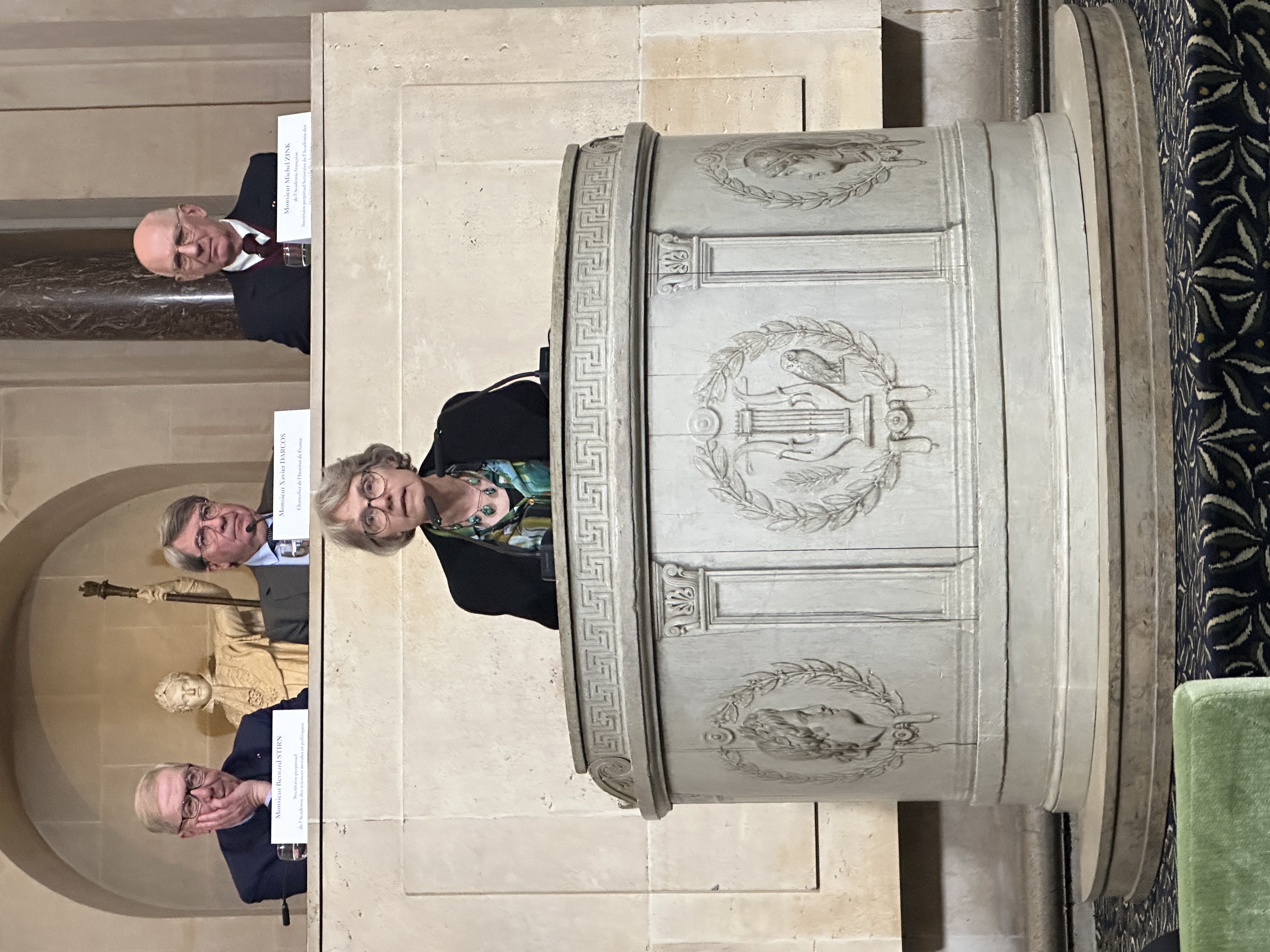
by Françoise Melonio, Professor Emeritus
in French literature at Paris IV.
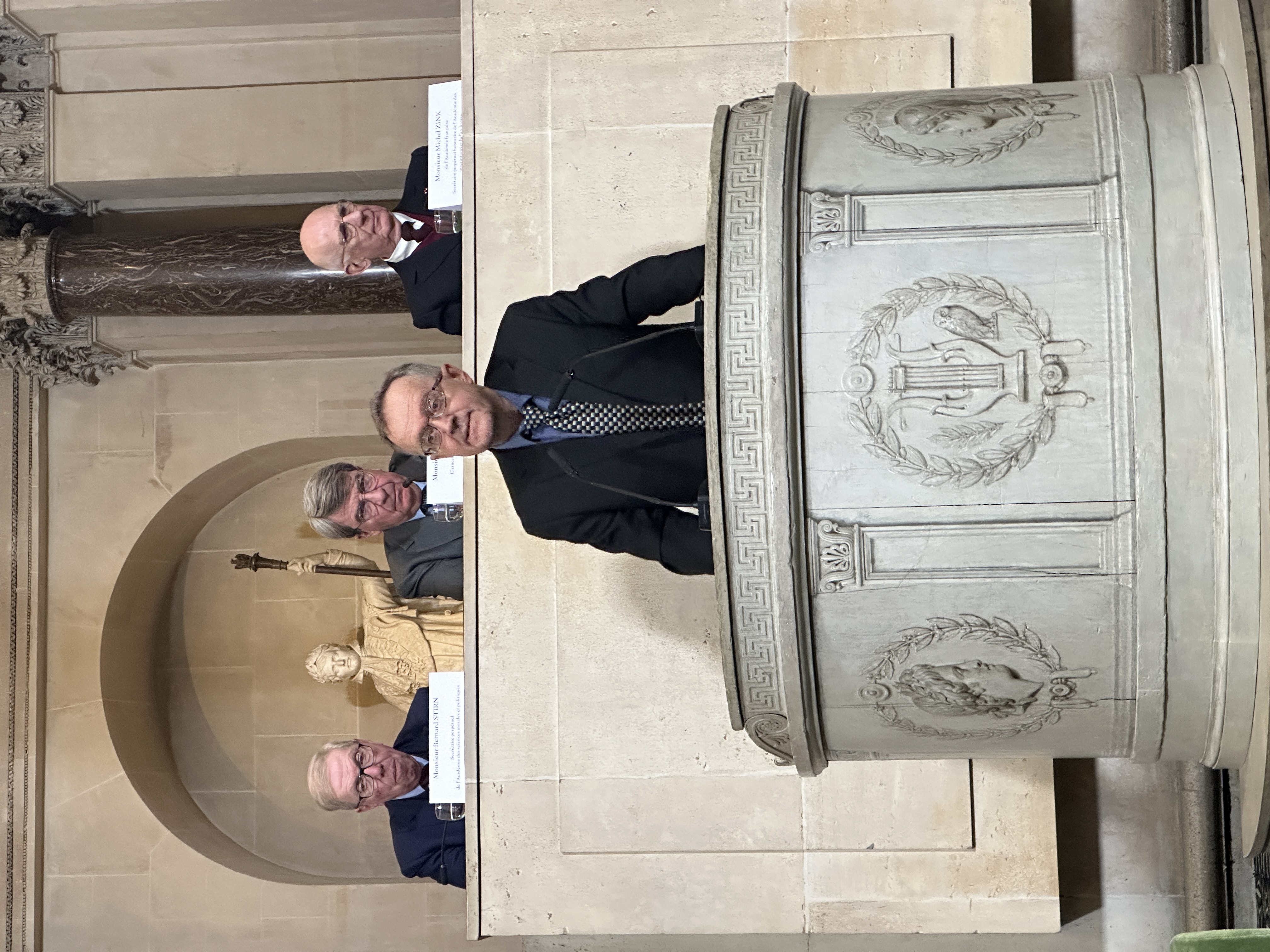
by Aurelian Craiutu, Professor at Indiana University.
You can watch the video of the commemoration by clicking on the link following.
The following book, published to mark the national commemoration, expands on the presentations made by the 5 speakers.
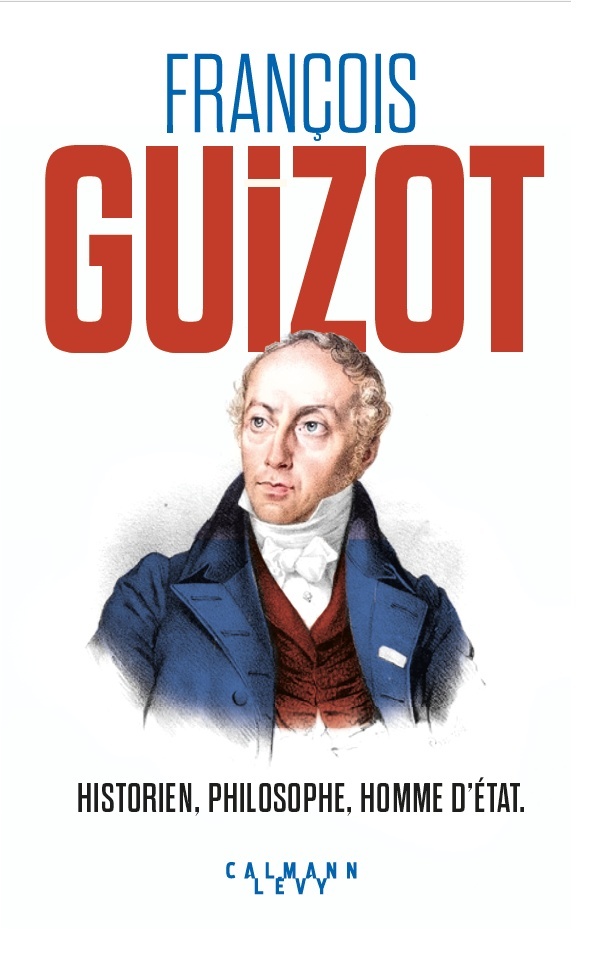
François Guizot, historian, philosopher and statesman. Collective work. Published by Calmann-Levy.
Posterity has been unfair to François Guizot.
It is still slow to recognise the importance and scope of a body of work that it has lazily reduced to a few sentences, truncated and taken out of context.
Yet each of the many fields of knowledge or public action that Guizot tackled still bears his mark, whether in philosophy, history or the institutions of the State.
A professor of history at the Sorbonne, where Taine and Tocqueville attended his lectures, he was the author of a body of work that Marx drew on and never stopped quoting. A thinker on democracy, he discussed its foundations and limits with Tocqueville.
His work as a minister was no less important. The Republic owes him its network of communal schools, the creation of the Académie des sciences morales et politiques, the forerunner of Sciences Po and, to crown it all, nothing less than the three colours of the French flag.
To mark the hundred and fiftieth anniversary of his death, the essays in this volume by Jean-Claude Casanova, Jacques Verger, Aurelian Craiutu, Françoise Melonio and Xavier Darcos shed light on the many aspects of Guizot's rich and prolific legacy.