Speech given on 21 May 2024 at the 148th Congress of the Comité des Travaux Historiques et Scientifiques (CTHS).
The latter was founded by Guizot in 1834.
Guizot between history, memory and politics par Laurent Theis
Guizot entered history as a professor in 1812 and politics as a senior civil servant in 1814. He had behind him his career as a statesman, which he had pursued to the very top, and most of his work as a historian, which was considerable and universally acclaimed, when, in 1857, he undertook to write Memoirs to serve the history of my time. These eight volumes complete the link between the three elements of his public activity. It is in this light that the continuity of an intellectual trajectory that has hardly been affected by the vagaries of the economic climate takes on its full meaning. How the writer applies the demands of the historian and puts forward the ideas of the politician, how the founder of the CTHS and the leading minister of the July monarchy come together in the illustrious retired memorialist - this is the guideline that could be followed in a short, unscientific talk, in commemoration of the hundred and fiftieth anniversary of Guizot's death on 12 September 1874.
Laurent Theis, Historian, Member of the learned society : Society for the History of French Protestantism, Honorary Chairman.
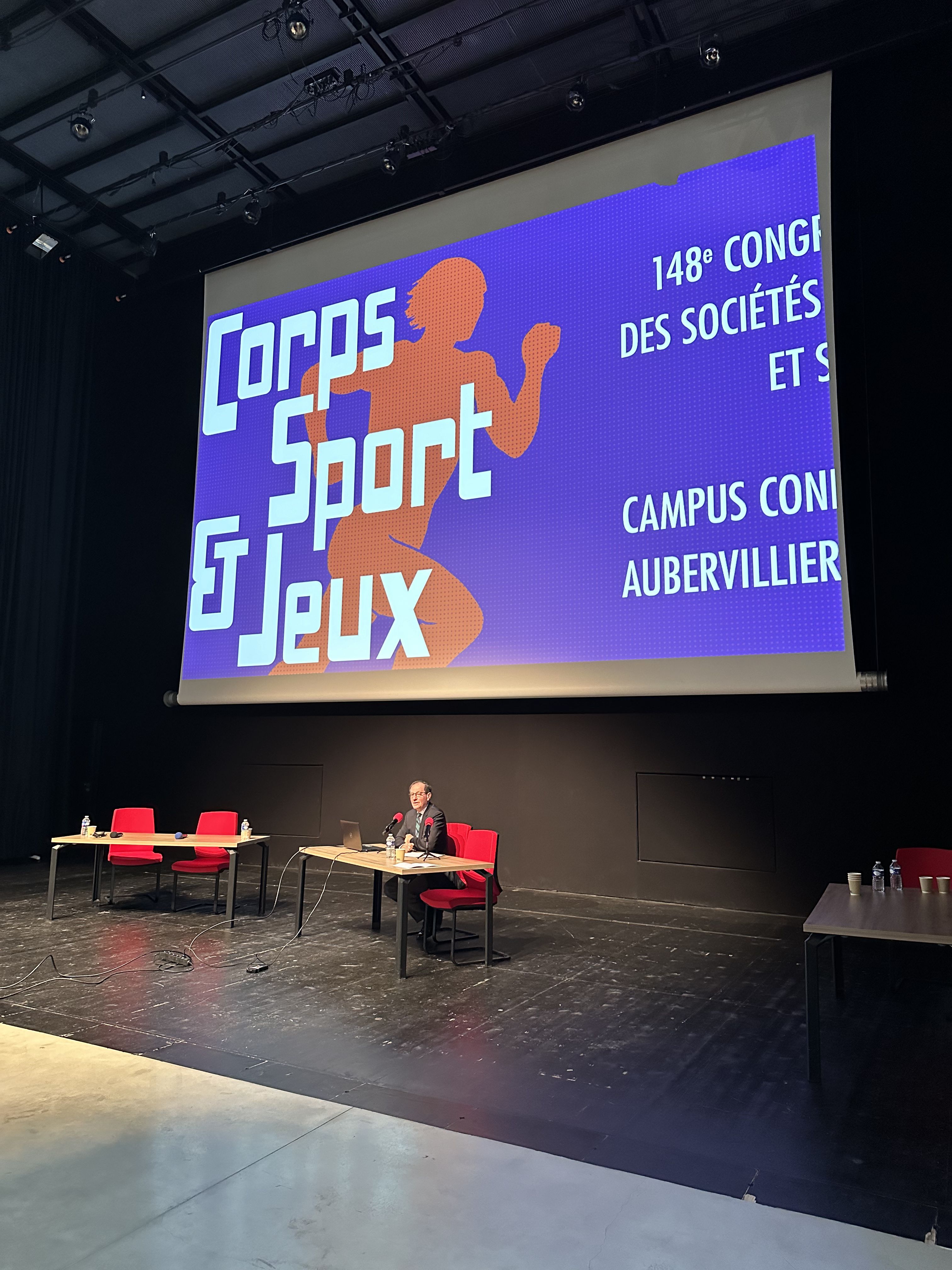
François Guizot, letter-writer, historian and memorialist: the academic, political and diplomatic correspondence of an actor and witness of the 19th century.e century par Marie Dupond
Although numerous studies of the historical and political thought of François Guizot (1787-1874) have been written, in 1987 Guizot did not yet have a biography, and the Guizot collection has not yet been the subject of an analytical, systematic and exhaustive inventory. The first obstacle mentioned by biographers is the immensity of the sources. The Guizot fonds, and especially the 47,000 folios of correspondence, therefore pose an archival and historiographical challenge. Digital tools and methods have the potential to meet this challenge. I will present the results and challenges of editing his correspondence in a digital environment. The extent and volume of the Guizot collection are not the only difficulties. We must emphasise the thematic richness of the collection and question the care he took in preserving and classifying the letters he received and the copies of those he wrote, often requesting the return of his own letters. The importance of correspondence in the life and work of the historian and memoirist becomes clear when we consider the time he devoted to it, its role in informing and shaping his thinking, and the links between his autobiographical work and his correspondence.
Marie Dupond, PhD in epistemology and the history of science and technology, project leader at the École normale supérieure (ENS).
Watch the video of the speeches by Marie Dupond and Laurent Theis (from the 26th minute)