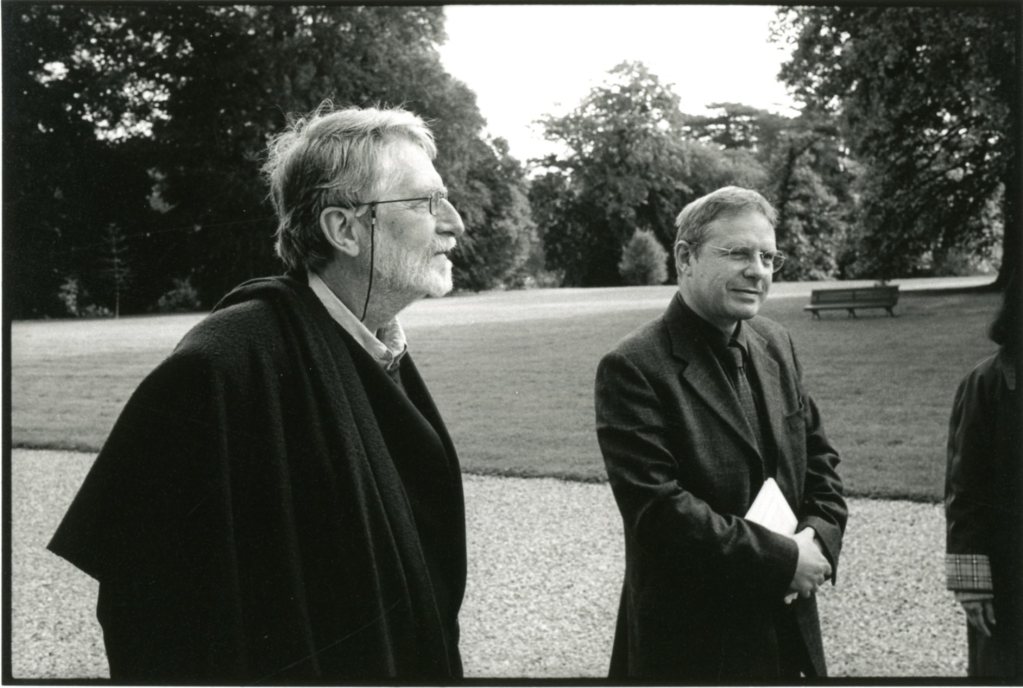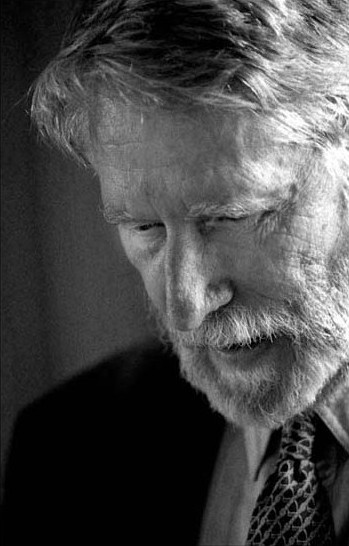
The sixth Guizot Prize awarded by the Calvados County Council has been awarded to Simon Leys for his latest book Shipwrecked on the Batavia (Arléa) and for his body of work, including three recent books The sea in French literature (Plon), Proteus (Gallimard) and Essays on China (Robert Laffont, Bouquins collection).
Belgian-born Simon Leys, now living in Australia, is one of the best observers of modern China. His Essays on China, These books, which lift the veil that the West shrouds this vast and complex country in and shake up all preconceived ideas, offer a new, lucid and penetrating look at the China of Mao and his successors. In 1971, on the advice of his publisher, he decided to adopt a pseudonym before publishing Chairman Mao's New Clothes, to avoid the risk of becoming persona non grata in the People's Republic of China. He chose «Leys» as his surname, a reference to the character in Victor Segalen's novel René Leys, published in 1922, and «Simon» as his first name, a reference to the original name of the apostle Peter.
Simon Leys is a member of the Académie royale de Belgique, where he succeeded Georges Simenon.
Shipwrecked on the Batavia
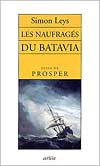
In Shipwrecked on the Batavia, In 1629, Simon Leys tells the story of a horrible tragedy off the coast of Australia that struck a chord in contemporary minds: the 300 survivors of the sinking of a ship belonging to the Dutch East India Company quickly fall under the control of a bloodthirsty psychopath who, along with a few of his followers, sets out to massacre them in order to consolidate his derisory and short-lived power. But a resistance is organised... This is a very short story, written in the form of a summary of the facts, which makes it all the more dramatic. We follow with horror the implacable process of a man who has no stature but is supported by an ideology that he is capable of sharing. This could have been a horror story, a metaphor for the establishment of a totalitarian regime. Unfortunately, it is an abominable and premonitory news item, the relationship between which leads the reader to question human behaviour... and to reflect.
Source: D.Pain / Calvados Heritage Department
Publisher | Edition Arléa |
Year of publication | 2003 |
Number of pages | 120 |
ISBN | 2-86959-623-5 |
Website | http://www.arlea.fr/ |